What Daily Life In Saint Paul Really Looks Like
June 4, 2026
June 4, 2026
Wondering what everyday life in Saint Paul actually feels like once the moving boxes are gone? If you are thinking about buying, renting, or relocating here, it helps to picture more than just home prices and listings. Saint Paul offers a daily rhythm shaped by neighborhoods, parks, older homes, transit options, and a steady cultural calendar. Let’s take a closer look at what living here really means.
Saint Paul often feels less like a single downtown-centered city and more like a collection of connected neighborhoods. The city describes itself as a network of urban villages, and that idea shows up in everyday life.
Instead of doing everything in one central core, you are more likely to build routines around the area where you live. That might mean walking to a nearby park, heading to a local community space, or using transit to get downtown for an event or commute.
This neighborhood-based feel is part of what makes Saint Paul stand out in the Twin Cities. You get the benefits of a capital city, but daily life can still feel local, familiar, and grounded.
Saint Paul is home to about 307,465 residents, but it often feels more personal than that number suggests. The city combines local character with practical access to jobs, recreation, and entertainment.
Census estimates show a median home value of $280,300, a median gross rent of $1,248, and a mean travel time to work of 22.3 minutes. That gives you a useful snapshot of what daily housing and commuting patterns can look like.
The city is also notably diverse. Current estimates show 17.9% Asian residents, 16.2% Black residents, 9.1% Hispanic or Latino residents, and 18.7% foreign-born residents, which adds to the range of cultures, traditions, and everyday experiences you will find across Saint Paul.
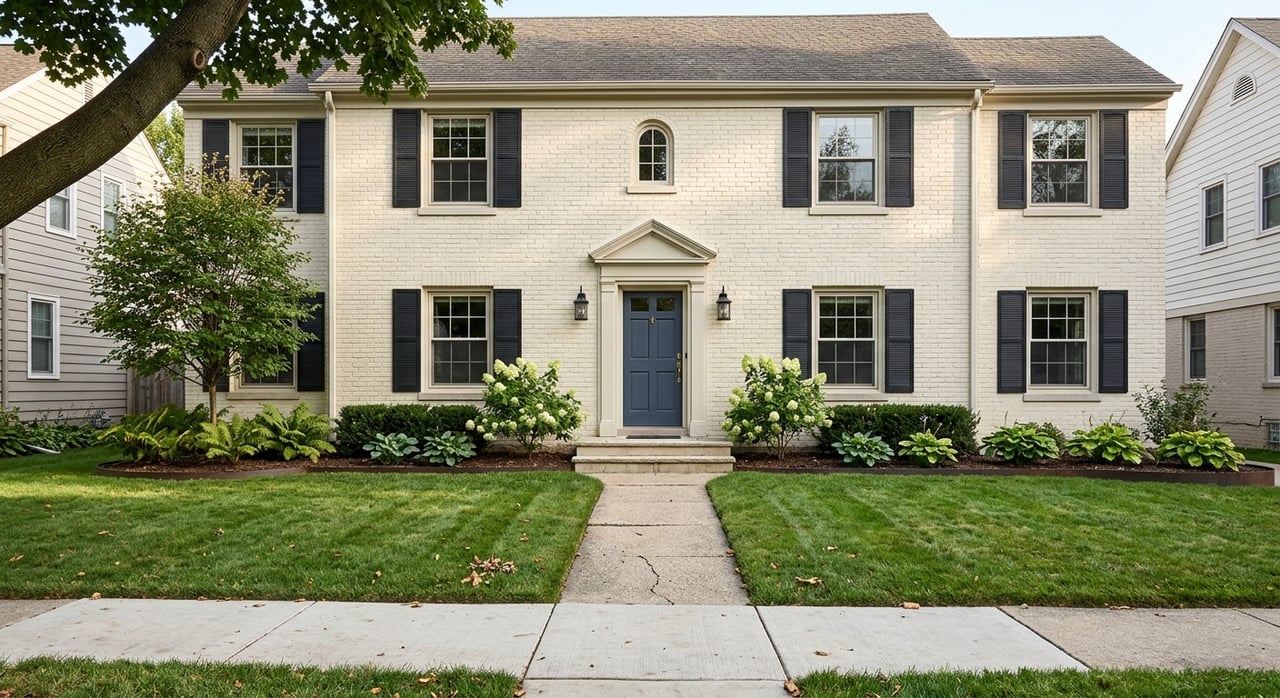
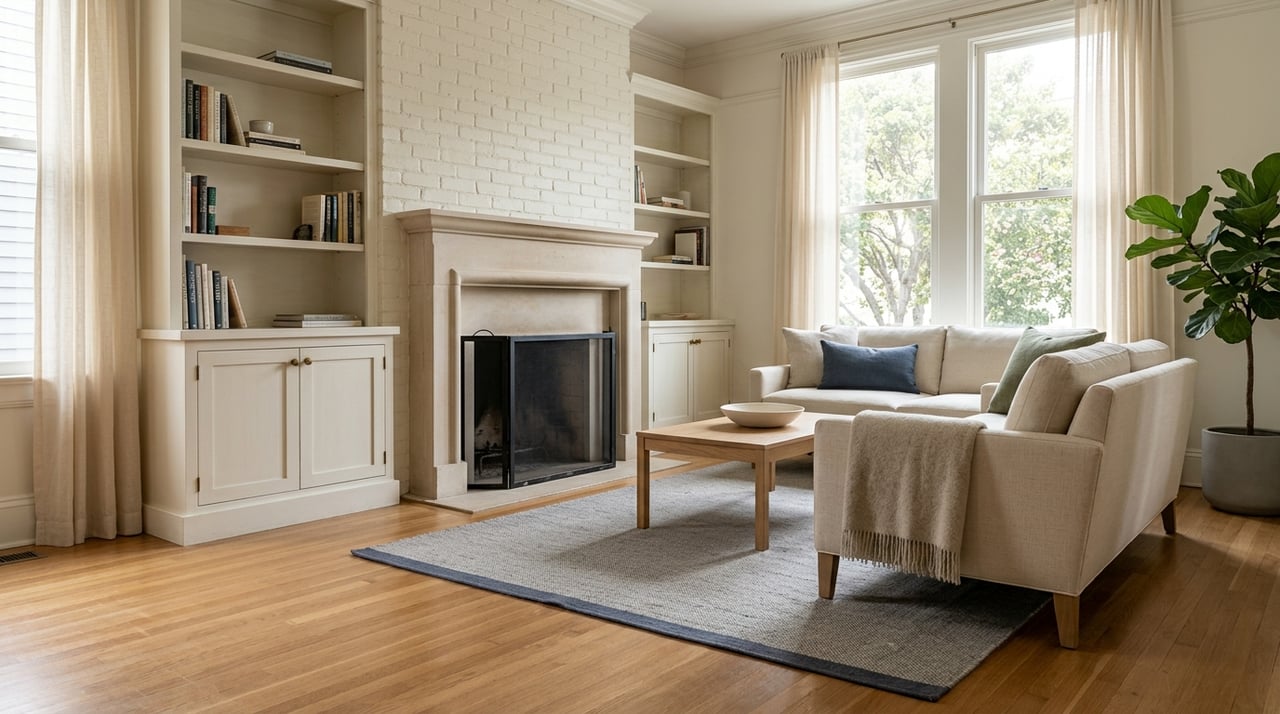
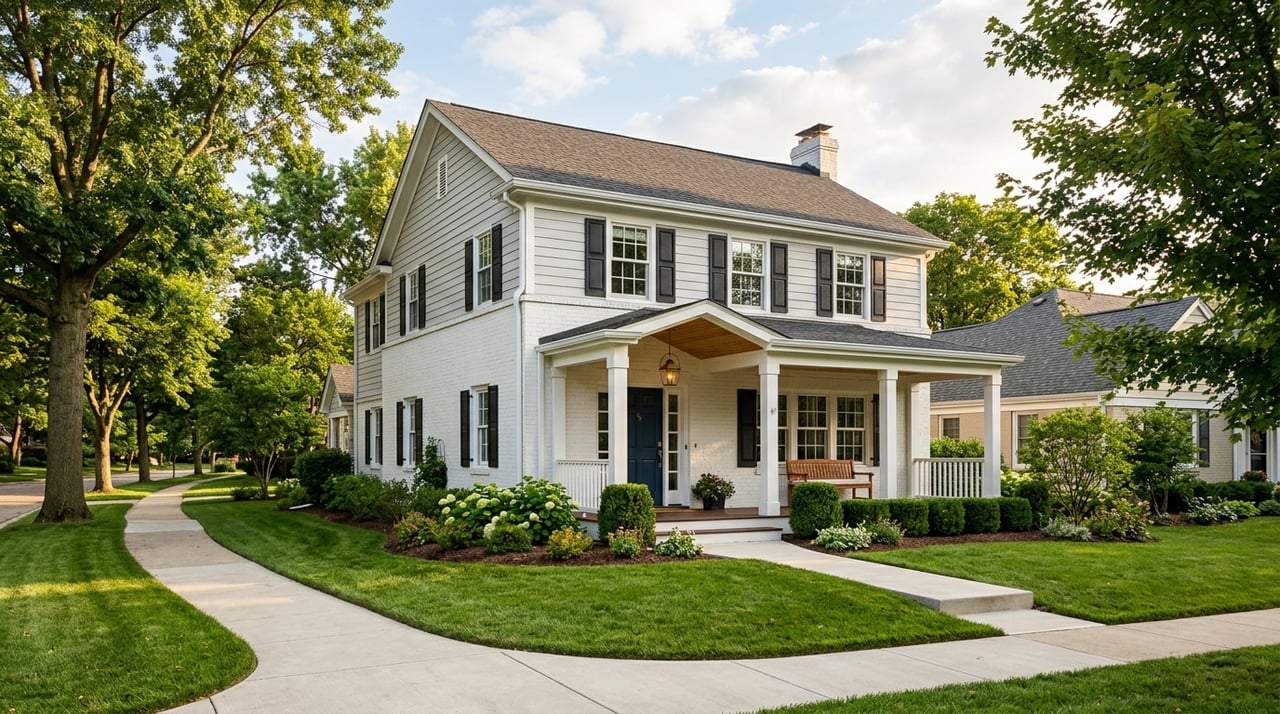
One of the first things many people notice about Saint Paul is its housing stock. Much of the housing in predominantly residential neighborhoods was built between 1850 and 1938, which means older homes are a real part of the city’s identity.
That can shape daily life in practical ways. You may find mature streetscapes, established neighborhood patterns, and homes with details that are harder to find in newer communities.
At the same time, city planning supports a wider range of housing choices through reuse, conversion, and small-scale infill. In some areas, that means existing homes sit alongside newer or adapted housing options that support changing household needs.
If you plan to rent in Saint Paul, city policy is part of the picture too. The city’s rent stabilization ordinance generally limits annual rent increases to 3%, with exceptions.
That does not tell the whole rental story, but it does mean apartment living is influenced by both market conditions and local tenant rules. If you are comparing Saint Paul with nearby cities, that is one practical difference worth understanding.
Saint Paul is not one-size-fits-all. Your day-to-day experience can look very different depending on where you live and what kind of routine matters most to you.
Downtown and Lowertown can work well if you want city energy without losing that neighborhood feel. Union Depot anchors the area, and the Green Line and Gold Line help connect the core to other parts of the region.
This part of the city also gives you easy access to public events and arts programming. The Twin Cities Jazz Festival and Saint Paul Art Crawl both help make the area feel active and event-driven throughout the year.
Highland Park tends to center more around recreation and community amenities. Highland Park itself includes golf courses, an aquatic center, disc golf, play areas, picnic spots, and Circus Juventas.
The community center adds another layer to daily life with a renovated library, teen space, meeting rooms, and after-school programming. If your routine includes parks, activities, and flexible community space, this area offers a lot in one place.
The West Side has a strong river-and-culture identity. City planning describes it as the historic home of Saint Paul’s Latino population, and planning for the West Side Flats includes walkable and bike-friendly streets, public spaces, public art, and multiple housing types.
That mix helps create a daily experience that can feel connected to both neighborhood history and future growth. For some buyers and renters, that balance is a big part of the area’s appeal.
Como is a strong match if you want outdoor recreation built into your week. Como Regional Park includes paved trails, a lake, boat access, picnic facilities, and watercraft rentals.
The zoo and conservatory, along with the ski center, also give the area year-round activity. Summer and winter both bring ways to get outside without needing to leave the city.
Daily life in Saint Paul is not built around just one transportation style. The city supports bus service, light rail, biking, walking, scooters, e-bikes, parking, and driving.
That matters because it gives you options. Depending on your neighborhood and routine, you may drive most days, mix driving with transit, or rely more on walking and biking for shorter trips.
Union Depot is a major part of that system. It connects to the Gold Line, B Line, and several local routes, and the Gold Line began service in March 2025 as Minnesota’s first bus rapid transit line operating partly on its own roadway between downtown Saint Paul and Woodbury.
Saint Paul also has nearly 234 miles of bicycle-friendly paths and roadways. If you prefer flexibility in how you move through the city, that multi-modal setup is a real part of daily convenience.
In many cities, outdoor space is something you visit occasionally. In Saint Paul, it is often part of your routine.
Saint Paul Parks and Recreation cares for more than 180 parks, 26 recreation centers, 120 miles of trails, three public pools, a city beach, and the Como Park Zoo and Conservatory. It also maintains eight ice rinks and offers open gym, skating, and youth programs.
That means daily life can include simple, repeatable habits like playground stops, evening walks, trail time, skating in winter, or pool days in summer. For many residents, these spaces are not extras. They are part of how the week works.
Saint Paul’s cultural life is broad, and it shows up in both major venues and neighborhood events. The city supports a rhythm that mixes arts, music, history, and public gatherings throughout the year.
Major venues include the Ordway, Fitzgerald Theatre, Palace Theatre, Landmark Center, Minnesota Museum of American Art, Schubert Club, and Penumbra Theatre. These places give residents regular access to performances, exhibits, and events without needing to leave the city.
Public events add another layer. Recurring experiences like the Twin Cities Jazz Festival in Lowertown, the Saint Paul Art Crawl across multiple neighborhoods, and the Flint Hills International Children’s Festival help make culture feel woven into everyday life rather than reserved for special occasions.
Put all of this together, and Saint Paul tends to feel park-rich, neighborhood-based, transit-capable, and layered with history. You might live in an older home, run errands close to home, spend part of your weekend in a park, and head downtown for a performance or festival.
That does not mean every neighborhood feels the same or every resident lives the same way. It means Saint Paul gives you multiple ways to build a life here, which is often exactly what buyers and renters are looking for.
If you are trying to decide whether Saint Paul fits your lifestyle, the biggest question is not just where you will sleep at night. It is how you want your days to feel.
If you are exploring Saint Paul and want thoughtful, local guidance on neighborhoods, housing options, or your next move, Mike Favre Real Estate LLC Inc is here to help you move forward with clarity and confidence.
Stay up to date on the latest real estate trends.
Experience a real estate partnership built on trust, expertise, and genuine care. We bring a lifelong understanding of what “home” truly means to every client and every decision.