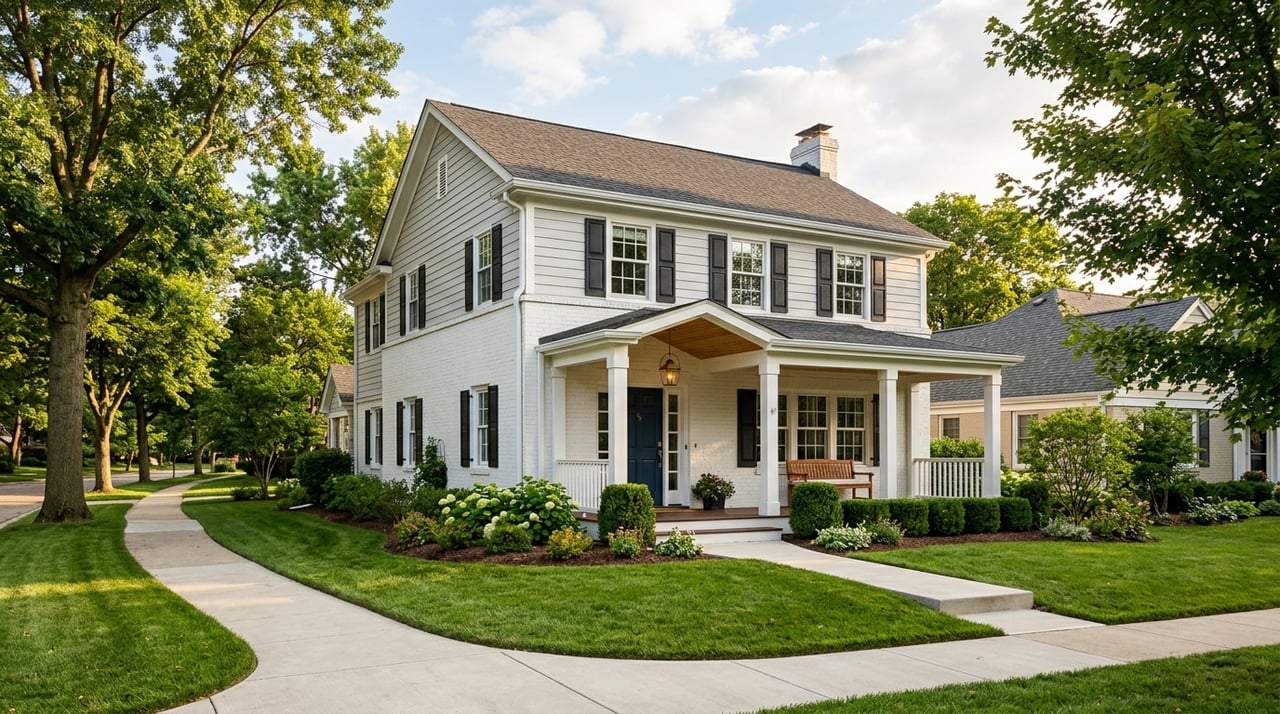
How To Choose The Right Saint Paul Neighborhood For You
June 11, 2026
June 11, 2026
Trying to choose the right Saint Paul neighborhood can feel harder than choosing the right house. In a city known for distinct neighborhood identities, two homes with similar price tags can offer very different daily routines, commute patterns, and lifestyle tradeoffs. If you want a clearer way to narrow your options, this guide will help you compare Saint Paul neighborhoods based on how you actually live. Let’s dive in.
Saint Paul is often described as a city of neighborhoods, and that description fits for a reason. The city’s planning framework emphasizes housing choice, transportation options, historic preservation, and the Mississippi River as a major amenity.
That means your experience can change quickly from one area to the next. One neighborhood may feel historic and walkable, while another feels quieter, greener, or more budget-conscious. Choosing well usually comes down to matching those tradeoffs to your daily life.
Citywide, Saint Paul had an estimated population of 307,465 in July 2024. The city also reported a 53.2% owner-occupied rate, a median owner-occupied value of $280,300, and median gross rent of $1,248.
Before you fall in love with a certain block or home style, think about how you want an average Tuesday to feel. The best neighborhood for you is usually the one that makes everyday life easier, not just the one that looks best in photos.
A helpful way to compare neighborhoods is to create a simple lifestyle matrix. Focus on the factors that shape your routine most:
If you work downtown, along University Avenue, or near Snelling or Ford, transit access may matter more than extra square footage. Saint Paul identifies downtown as a major transportation hub, and the Green Line and A Line are important connectors across the city and region.
If you want character, older homes, and easy access to neighborhood commercial corridors, Saint Paul has several strong options. These areas often appeal to buyers who want more street life and a stronger sense of place.
Summit Hill is one of Saint Paul’s clearest examples of historic character paired with walkability. Its adopted plan emphasizes preserving a pedestrian-friendly residential and commercial environment, with Grand Avenue serving as a mixed retail-residential corridor.
This area may be a fit if you like older housing, classic architecture, and being able to reach shops and cafes more easily. A recent Realtor.com median for Summit Hill was about $472,000, which places it in a higher pricing tier than many other Saint Paul neighborhoods.
The tradeoffs matter here too. Summit Hill’s plan specifically discusses parking deficits and traffic spillover, so convenience can vary from block to block.
Macalester-Groveland offers a mix of single-family homes, apartments, corner stores, and mixed-use corridors. Community planning documents point to neighborhood nodes around places like Snelling and Grand, which helps explain why the area feels both residential and connected.
If you want a neighborhood that balances housing variety with walkable daily conveniences, this can be a strong starting point. A recent median price signal was about $444,750.
West Seventh is widely recognized as a corridor with deep history and renewed interest. Buyers often look here when they want an urban feel, local businesses, and easier access to the core of the city.
It can be a practical option if you want some of the energy of Saint Paul’s more established walkable areas at a lower price point than Summit Hill or Highland. A recent median was about $300,000.
If you want the most urban environment, Downtown and Lowertown deserve a look. The city describes downtown as a major transportation hub and notes its evolution into a residential center with historic charm.
These areas can work well if your priority is access, condo inventory, and a more connected city lifestyle. Downtown’s recent median listing price was about $180,000, making it one of the clearest budget-friendly entry points in Saint Paul.
Not every buyer wants a busy commercial corridor outside the front door. If your ideal setting feels more residential, green, and steady, Saint Paul has several neighborhoods that lean that direction.
Highland Park is a strong option for buyers who want a quieter residential feel while staying connected to parks, trails, and neighborhood services. Its plan emphasizes maintaining housing quality and protecting access to parks, recreation, views, and trails.
The area includes broad recreational amenities, and Highland Bridge is adding new parks and housing choices. A recent median for Highland was about $500,000, so it often sits in a higher budget category.
Como Park combines suburban and urban characteristics, but it is described in neighborhood planning as heavily residential in character. The area is closely tied to Como Regional Park, which shapes both lifestyle and identity.
If green space is high on your list, this neighborhood may be worth serious consideration. Recent pricing signals put Como Park around $370,000.
Merriam Park is primarily low-density residential, with commercial nodes along Marshall, Snelling, and Selby. That pattern gives many buyers a calmer feel while still offering access to everyday needs.
It can be a good fit if you want a neighborhood that feels established and residential without feeling disconnected. A recent median for Merriam Park-Lexington-Hamline was about $425,000.
Saint Anthony Park stands out for its community vision of a 20-minute neighborhood. Its plan emphasizes housing variety, greenspace, gardens, shops, services, and walkable daily needs.
That makes it especially appealing if you want a calmer pace without giving up convenience. It often attracts buyers who value neighborhood-scale living over a more intense urban rhythm.
For some buyers, the Mississippi River is a major part of the search. If trail access, bluff views, and riverfront proximity shape how you want to live, Saint Paul offers several good starting points.
On the west side, the city describes West Side Flats as a future riverfront urban village with strong physical and visual connections to the river and bluffs. That makes the broader West Side especially interesting for buyers who want river context as part of everyday life.
Recent pricing signals put the West Side around $269,900. That can make it attractive for buyers trying to balance lifestyle and price.
Hidden Falls Regional Park adds another appealing option for river and bluff lovers. The park offers about 6.7 miles of paved trails, along with walking, biking, birding, fishing, picnicking, and boat access.
This setting may be a fit if outdoor access matters more to you than being near a denser retail corridor. It is wise to remember that roads and trails here can close for flooding, restoration, construction, or winter hazards.
Bluff-adjacent parts of Dayton’s Bluff and the Lowertown riverfront can also appeal to buyers who want scenery and access. Dayton’s Bluff had a recent median around $239,000, which may make it one of the more approachable options for buyers prioritizing price.
Lowertown offers historic character and proximity to the riverfront, but buyers should also stay aware of infrastructure and water-management issues. The city’s Lowertown floodwall project is scheduled from 2026 to 2028.
If price is your first filter, Saint Paul still gives you several neighborhoods worth exploring. The key is to stay flexible and evaluate properties street by street, especially in areas with more variation.
The clearest current entry points based on recent market medians include:
These neighborhoods can offer a wider mix of condos, townhomes, older houses, and renovated homes. In some cases, you may also see more condition differences, renovation needs, or block-by-block variation than you would in the most established historic enclaves.
Historic charm is a big part of Saint Paul’s appeal, but it can come with added considerations. The city maps historic resources at the local, state, and national levels, and designated districts include Lowertown, Dayton’s Bluff, Historic Hill, Irvine Park, and Summit Avenue West.
If you are thinking about replacing windows, changing a facade, or making major exterior updates, confirm whether a property sits in a designated district before you assume you have full design freedom. This step can save you time, money, and frustration later.
The right Saint Paul neighborhood is rarely the one with the most buzz alone. It is the one that lines up best with your budget, your commute, your maintenance tolerance, and the pace of life you want.
A simple shortlist often works best. Choose three neighborhood types that fit your goals, then compare them in person based on parking, block feel, access to parks or trails, nearby commercial areas, and the kinds of homes actually available in your price range.
In Saint Paul, small shifts in location can make a big difference. That is why a calm, informed neighborhood strategy usually beats a purely emotional search.
If you want help narrowing your Saint Paul search with clear advice and local perspective, Mike Favre Real Estate LLC Inc can help you compare neighborhoods, weigh tradeoffs, and move forward with confidence.
Stay up to date on the latest real estate trends.
Experience a real estate partnership built on trust, expertise, and genuine care. We bring a lifelong understanding of what “home” truly means to every client and every decision.