Exploring Minneapolis Neighborhoods Through A Long Weekend Visit
June 25, 2026
June 25, 2026
Wondering how to get a real feel for Minneapolis before you decide where to live? A long weekend can tell you more than hours of scrolling listings, especially in a city where neighborhoods shift quickly from warehouse lofts to lakefront trails to quieter residential streets. If you want to compare lifestyle, housing feel, and daily convenience in a practical way, Minneapolis gives you a lot to work with in a short trip. Let’s walk through a smart weekend approach.
Minneapolis is especially well suited to neighborhood scouting because so much of the city is connected by parks, trails, and transit. The Minneapolis Park and Recreation Board oversees 7,059 acres of parkland and water, 185 park properties, 22 lakes, 55 miles of parkways, and 102 miles of Grand Rounds biking and walking paths.
That means you can compare several very different parts of the city without spending your whole weekend driving. In one trip, you can experience downtown-adjacent living, arts-focused districts, lake-centered neighborhoods, and quieter residential areas that still feel connected to everyday amenities.
A practical way to structure your visit is to start in North Loop on Friday, move to Northeast on Saturday, spend Sunday around the southwest lakes, and finish with a south Minneapolis neighborhood like Kingfield or the Lake Nokomis area. This is not an official city route, but it fits the geography and gives you a clear side-by-side comparison of different ways of living.
If you are relocating, this kind of sequence can help you notice what matters most to you. You may find that walkability matters more than square footage, or that easy access to trails matters more than being near nightlife.
North Loop is one of the clearest places to test a dense, walkable Minneapolis lifestyle. It is known for restaurants, boutiques, taprooms, live music, and proximity to baseball, all packed into an area that feels active and connected.
If you want to know whether you would enjoy being able to step out your door and walk to daily activities, this is a strong place to start. It gives you a quick read on how urban you want your everyday life to feel.
North Loop is also useful because its building style stands apart from many other parts of Minneapolis. The Warehouse Historic District reflects the area’s early commercial and industrial roots, and today the area includes commercial and residential use.
For you as a buyer or renter, that often means loft-style spaces, converted warehouses, and adaptive reuse rather than traditional detached homes. If your idea of home includes exposed brick, industrial character, or condo living, North Loop can help you confirm that quickly.
North Loop is one of the city’s best transit test cases. Target Field Station serves as a central multimodal hub with direct access to the airport, U.S. Bank Stadium, Allianz Field, the University of Minnesota, and downtown St. Paul.
If you are hoping to reduce how much you drive, pay attention to how easy it feels to move around from here. Try the station, walk the area, and notice whether the pace and access match your routine.
Northeast Minneapolis gives you a very different experience from North Loop. It blends residential neighborhoods, commercial corridors, parks, industrial areas, and a well-known arts presence.
That mix is part of what makes it such a valuable stop on a scouting trip. You are not just seeing one version of city living. You are seeing how creative spaces, everyday businesses, and residential pockets can exist side by side.
Official visitor materials describe the Northeast Minneapolis Arts District as roughly a square mile of galleries, artist studios, repurposed warehouses, murals, and walkable, bikeable streets. It is one of the city’s strongest examples of reuse and creative energy shaping a neighborhood identity.
NEMAA says Art-A-Whirl draws an estimated 65,000 people each May and is the nation’s largest open studio tour. Even if your visit does not line up with that event, the district still gives you a good feel for the area’s visual character and street activity.
To balance the arts-district experience, spend time on Central Avenue. The city’s cultural district materials describe Central Avenue as running from 18th Avenue Northeast to 26th Avenue Northeast and note its long immigrant and working-class commercial history.
This part of your visit matters because it shows a more everyday side of Northeast. It can help you compare destination-style energy with a busier neighborhood retail corridor that may feel more practical for daily life.
Uptown is a strong place to measure how practical a dense, active lifestyle would feel for you. Ward 10 describes it as an energetic central area with restaurants, coffee shops, small boutiques, theaters, and a wide range of housing.
This is also one of the better areas to compare building variety. The same city materials note housing that ranges from vintage Victorian homes to micro-apartment units, which makes Uptown helpful if you are still deciding between character, size, and location.
Uptown is also a smart place to study transportation options. The area includes bike-friendly roads, walkability, and a transit center, while the E Line serves downtown Minneapolis, Uptown, the University of Minnesota, and the lakes and Linden Hills corridor.
As you scout, think beyond the home itself. Ask whether your grocery runs, social plans, commute, and weekend habits would feel easy here without a lot of extra driving.
After Uptown, head southwest toward Linden Hills, Lynnhurst, and Lake Harriet. This area offers a very different rhythm and is one of the best places to compare residential calm with nearby amenities.
City materials describe Linden Hills as having many small-town characteristics, including community parks, a library, tree-lined streets, shopping, and neighborhood pride. If you want a setting that feels established and residential but still connected, this stop is especially useful.
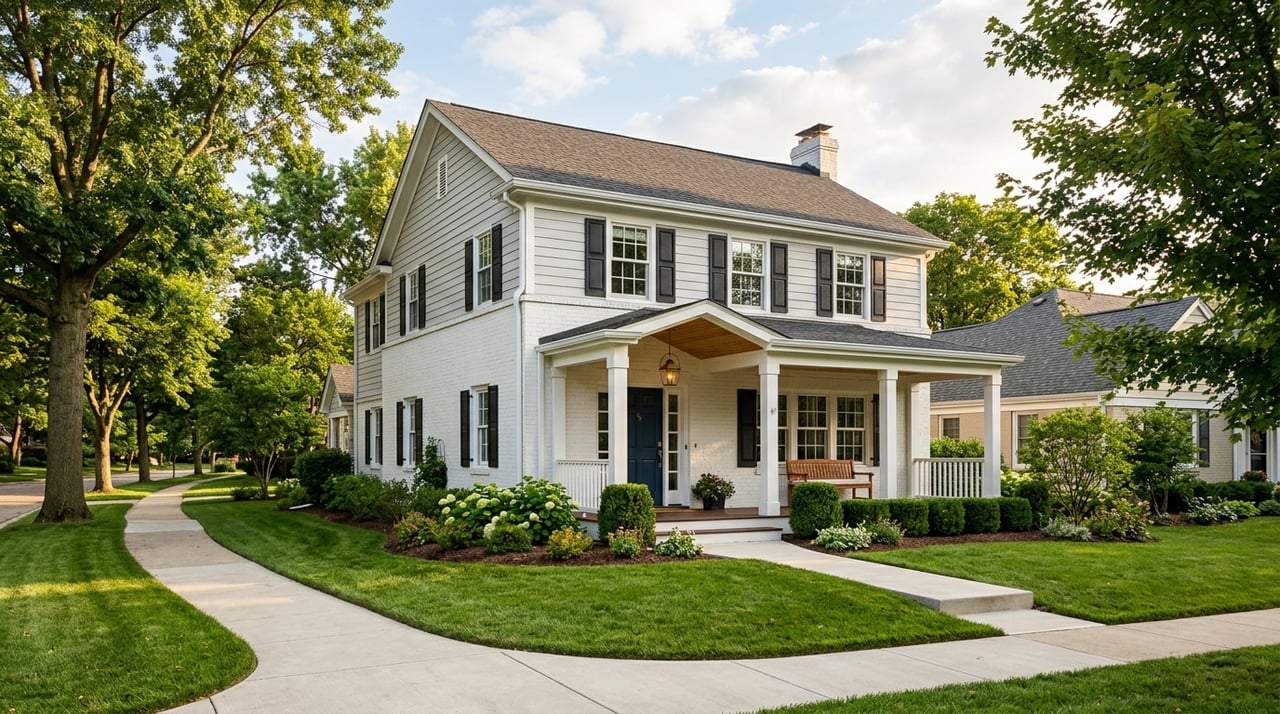
Lynnhurst gives you one of the clearest examples of older residential housing in Minneapolis. The Lynnhurst Residential Historic District includes early-20th-century residential styles, mostly 2- to 3-story homes on large lots with mature trees and back-set garages.
If you are drawn to classic housing stock and leafy streets, this area can help you confirm whether that setting fits your vision. It is also a reminder that neighborhoods only a short distance apart can feel very different in Minneapolis.
Lake Harriet is part of the city’s broader Chain of Lakes identity. The Chain of Lakes offers 15 miles of lakeside pedestrian and bike trails plus five of Minneapolis’s twelve beaches.
This makes the area useful for more than just a scenic stop. You can test what it feels like to live near trails, open space, and water-based recreation and decide whether that kind of park access would shape your daily routine in a meaningful way.
Kingfield is a strong final stop because it shows how a largely residential neighborhood can still offer visible daily convenience. The area includes single-family homes, some multi-unit residences, and apartment buildings.
Its neighborhood association also notes that businesses cluster at commercial corners and that street life along Nicollet Avenue has grown with restaurants and bakeries. On one walk, you can observe both housing stock and the kind of commercial activity that supports everyday living.
If you want an even more park-centered contrast, spend time around Lake Nokomis. Ward 11 describes this part of Minneapolis as residential and as having strong access to parks and recreation.
Lake Nokomis Park includes 405.6 acres total, including 210.26 acres of water, along with 2.7 miles of pedestrian trails and 2.78 miles of bike trails. That gives you a practical way to compare how a quieter south Minneapolis setting feels against busier areas like Uptown or North Loop.
One of the fastest ways to understand a neighborhood is to study the buildings. North Loop points toward converted industrial space and newer residential reuse, Lynnhurst highlights early-20th-century homes, Kingfield mixes single-family and multifamily options, and Uptown spans everything from vintage houses to micro-apartments.
These differences help you narrow your search faster. Instead of asking only whether you like a neighborhood, ask whether the housing style there matches how you want to live.
Transit and bike access can tell you a lot about daily life. The E Line links the University of Minnesota, downtown Minneapolis, Uptown, the lakes, Linden Hills, and south metro destinations, while the Blue and Green lines meet downtown and Target Field Station provides regional access.
Minneapolis also says biking is one of the city’s most popular ways to get around. The city notes a Gold-level Bicycle Friendly Community ranking, and the Midtown Greenway adds another major scouting tool with its 5.9-mile bike and pedestrian route from the Mississippi River to the western city boundary.
Parks, libraries, neighborhood business clusters, and trails can tell you whether a place will feel easy to live in. Linden Hills has a library and multiple commercial districts, Northeast has galleries and restaurant clusters, Kingfield has active commercial corners, and Lake Harriet and Lake Nokomis offer major trail and recreation access.
When you notice these patterns, you get a clearer picture of how each neighborhood functions beyond a showing or an online listing. That context is often what helps buyers feel confident in their choice.
In many cases, yes. Minneapolis has extensive bike infrastructure, major trail connections, the E Line, the Blue and Green light rail lines, and park destinations that are accessible by bus, bike, drive, or walk.
If you stay near downtown or along a strong transit corridor, a car-light or even car-free weekend is realistic for many visitors. That can be especially helpful if one of your goals is to test whether your future lifestyle could involve less driving.
If you are planning a Minneapolis move and want help turning a weekend visit into a clear home search strategy, Mike Favre Real Estate LLC Inc offers calm, local guidance for buyers, sellers, and relocating clients across Minneapolis, Saint Paul, and nearby suburbs.
Stay up to date on the latest real estate trends.
Experience a real estate partnership built on trust, expertise, and genuine care. We bring a lifelong understanding of what “home” truly means to every client and every decision.