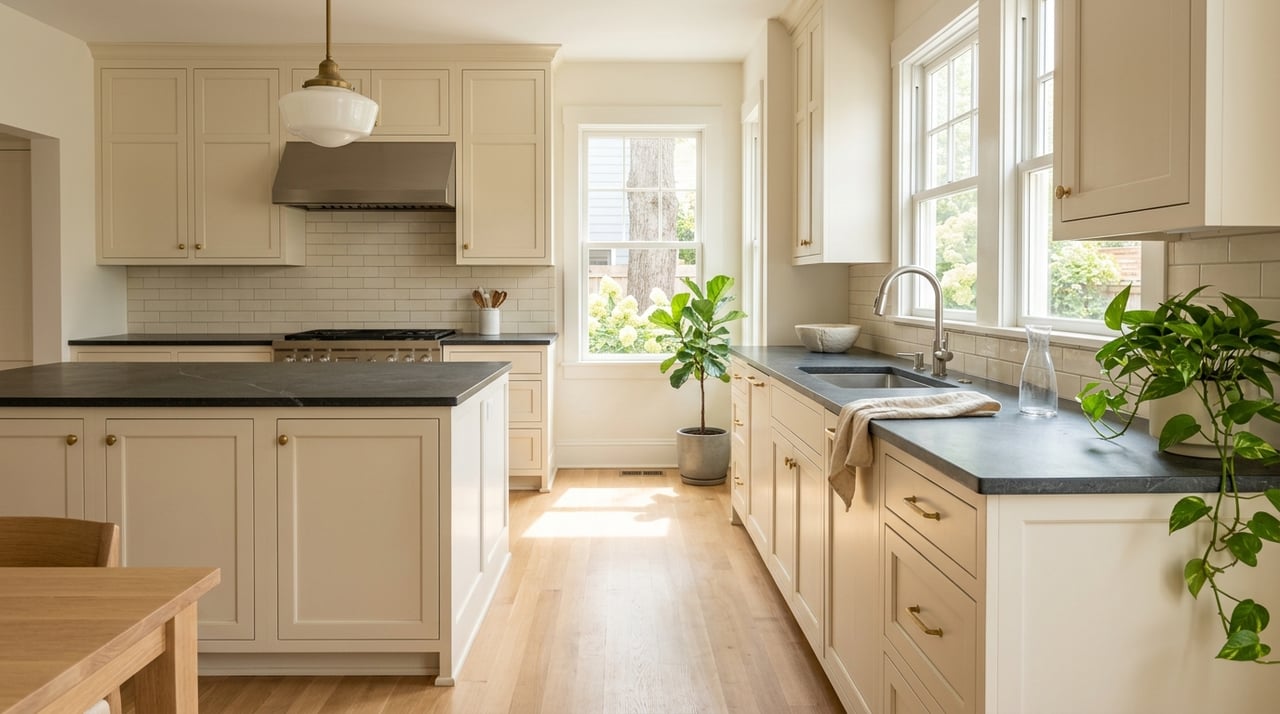
How We Prepare And Market Minneapolis Homes For A Strong Sale
July 9, 2026
July 9, 2026
Wondering what really helps a Minneapolis home stand out and sell well? It is rarely just one thing. A strong sale usually comes from smart preparation, clear pricing, polished presentation, and a marketing plan that works online and in person. If you are thinking about selling, this guide walks you through how we prepare and market Minneapolis homes with a steady, practical process. Let’s dive in.
In Minneapolis, listing preparation often begins with city requirements, not just paint colors or photos. Many sellers need a Truth in Sale of Housing, or TISH, evaluation before the property can be shown.
According to the City of Minneapolis, a full TISH report is required before showings for many single-family homes, duplexes, townhouses, and first-time condominium conversions. Homes with a Certificate of Code Compliance or a Certificate of Occupancy do not need a TISH report.
This step matters because the TISH process looks at more than appearance. The city checklist includes clutter, smoke and carbon monoxide detectors, egress, drainage, foundation, roof, windows, plumbing, and electrical systems.
That is one reason early planning matters so much. If you wait until the last minute, even small issues can delay your timeline or complicate your launch.
Once the city requirements are clear, the next step is creating a prep plan based on what buyers and evaluators are likely to notice first. In Minneapolis, that usually means focusing first on safety, function, and visible condition.
A practical prep plan often starts with:
This approach lines up with the City of Minneapolis evaluation checklist, which puts strong attention on operational and safety-related items. In many cases, these updates do more for your sale than jumping into larger discretionary projects.
Many sellers wonder if they need to renovate before listing. Usually, the better first question is whether your home needs clearer presentation.
Staging is different from remodeling. It is the process of decluttering, arranging, and styling the home so buyers can better picture themselves living there.
That distinction matters because staging can have a real impact without turning into a major construction project. In the National Association of Realtors 2025 survey, 83% of buyers’ agents said staging made it easier for buyers to visualize a property as their future home.
In practical terms, staging often means:
The goal is not to make your home look generic. The goal is to help buyers understand the space, its scale, and how it lives.
If your home needs more than cosmetic work, it is important to slow down and make a plan. Some repairs or improvements may require permits.
Minneapolis provides guidance for common residential projects such as roofing, siding, windows and doors, decks, porches, and egress windows. Before starting larger work, it is wise to confirm what the city requires.
That can save you from spending money on the wrong project or creating avoidable issues during the sale. Thoughtful preparation is not about doing everything. It is about doing the right things in the right order.
Preparation is only half the story. Even a beautifully prepared home still needs pricing that fits the current market.
Minnesota Realtors reported in May 2026 that the Twin Cities median sale price was up 1.0% year over year. The same report showed listings were spending 2.3% more time on market, sellers received 99.7% of list price, and Minneapolis sales were up 16.8%.
That report also noted that sellers need a more competitive pricing strategy, while well-priced homes in good condition are still selling fairly quickly. In other words, pricing cannot be based on hope alone.
A strong pricing conversation should look at:
We believe pricing should be honest, strategic, and grounded in current Minneapolis and Twin Cities data. That helps you attract serious interest early, when your listing is freshest.
Today, many buyers meet your home online before they ever walk through the door. That means the visual package matters a lot.
Zillow’s 2025 buyer research found that floor plans were the most important listing feature for 33% of prospective buyers. High-resolution photos ranked first for 26%, and 3D or virtual tours ranked first for 20%.
Those numbers tell a clear story. Buyers want to understand the layout, see the home clearly, and get a realistic feel for the space before booking a showing.
That is why strong marketing materials often include:
If virtual staging is used, it should be disclosed when photo edits materially alter the property. Clear presentation builds trust, and trust helps buyers move forward with confidence.
Online exposure creates the first impression, but in-person showings still matter. Zillow’s 2025 buyer survey found that 39% of prospective buyers had attended an open house or private tour.
That means your home needs to perform well on a screen and in real life. Cleanliness, lighting, flow, and comfort all shape how buyers respond when they step inside.
The same staging research from the National Association of Realtors found measurable results. Twenty-nine percent of agents reported a 1% to 10% increase in the dollar value offered, and 49% observed faster sales.
That does not mean every home needs full-service staging. It does mean thoughtful presentation can support stronger buyer response and a smoother sale.
A strong Minneapolis listing should not rely on just one marketing tool. The best results usually come from a coordinated plan.
The MLS remains the backbone of listing distribution. The National Association of Realtors explains that MLS data powers many of the real estate websites consumers use, and 43% of buyers in 2024 said browsing properties online was their first step.
That is why a complete marketing approach should work together across multiple touchpoints. The online launch brings attention, and the in-person experience helps confirm buyer interest.
A coordinated listing plan may include:
When these pieces are aligned, your listing feels more polished, more visible, and easier for buyers to engage with.
Most sellers are not looking for vague promises. They want a plan, clear updates, and honest advice.
National Association of Realtors research shows that sellers most want help marketing the home, pricing it competitively, selling within a specific timeframe, and identifying ways to increase resale value. That lines up closely with what Minneapolis homeowners often need during the listing process.
For that reason, communication should be built into every stage of the sale. Good process creates confidence.
Key communication milestones often include:
Minnesota law also requires sellers to provide a written disclosure before signing a sales agreement, covering material facts known to the seller that could significantly affect a buyer’s use or enjoyment of the property. For homes built before 1978, known lead-based paint information must also be disclosed, and buyers must be given an opportunity to test.
When communication is calm, timely, and transparent, the entire process tends to feel more manageable. That is especially helpful if you are balancing a move, a purchase, or a tight timeline.
In Minneapolis, a strong sale is usually built on four things working together. First, you need compliance with city requirements and disclosure rules. Next, you need practical preparation that improves condition and presentation.
From there, pricing needs to reflect the current market, not a best-case guess. Finally, your marketing needs to create a strong first impression online and a confident experience in person.
When those pieces are aligned, your home is in a better position to attract serious buyers and support a smoother transaction. That is the kind of thoughtful, steady process that helps sellers move forward with more clarity and less stress.
If you are getting ready to sell in Minneapolis and want calm guidance on timing, prep, pricing, and marketing, Mike Favre Real Estate LLC Inc is here to help you build a plan that fits your home and your goals.
Stay up to date on the latest real estate trends.






Experience a real estate partnership built on trust, expertise, and genuine care. We bring a lifelong understanding of what “home” truly means to every client and every decision.